A practical guide for Nigerian graduates on finding a first job, where to search, graduate trainee programmes, realistic salary ranges, and how to stand out. First Job After University: A Nigeria Guide Finishing university, or wrapping up NYSC, is only half the journey. The next question every Nigerian graduate faces is the harder one: how …

A practical guide for Nigerian graduates on finding a first job, where to search, graduate trainee programmes, realistic salary ranges, and how to stand out.
Table of Contents
ToggleFirst Job After University: A Nigeria Guide
Finishing university, or wrapping up NYSC, is only half the journey. The next question every Nigerian graduate faces is the harder one: how do you actually land your first real job. This guide breaks down what the entry-level job market in Nigeria actually looks like right now, where to find real openings, and what separates graduates who get hired quickly from those who spend a year sending applications into silence.
The Reality of the Nigerian Job Market Right Now
Nigeria’s economy grew by roughly 3.9 percent in 2025, with projections of around 4.5 to 4.7 percent growth in 2026, driven mainly by services, telecommunications, trade, and financial services. That growth is creating entry-level openings, but graduate underemployment remains widespread, and many employers openly say there is a mismatch between what universities teach and what workplaces actually need day to day.
What this means practically: jobs exist, but competition for the well-known graduate programmes is intense, and generic applications rarely work. The graduates who land roles fastest are usually the ones who target their search deliberately instead of applying everywhere with the same CV.
Sectors currently showing the strongest entry-level hiring include technology, fintech, digital marketing, e-commerce, financial services, telecommunications, and health. Employers in these sectors increasingly hire based on demonstrated skill rather than credentials alone, which is actually good news if you built any practical experience, projects, or a side skill during school or NYSC.
Your NYSC Year Is Part of Your Job Search, Not Separate From It
If you have not completed NYSC yet, understand this clearly: your Place of Primary Assignment is often the most direct path to your first job. Many Nigerian graduates who serve at a company they are genuinely interested in end up being offered a position there once their service year ends, simply because they already know the work and the team already knows them.
If you are choosing where to serve, or requesting a redeployment, think about it the same way you would think about a job application. Research companies in sectors you actually want to work in, and if possible, aim to serve somewhere that could realistically hire you afterward. Do good, visible work during your service year, not just the minimum required, since this is effectively a long working interview.
Where to Actually Find Entry-Level Jobs
Spreading your search across a few solid platforms works better than relying on just one. The most active job boards for fresh graduates in Nigeria right now include Jobberman, MyJobMag, HotNigerianJobs, LinkedIn, Indeed Nigeria, and Glassdoor. Each has slightly different strengths: Jobberman and MyJobMag tend to list a high volume of local entry-level and graduate trainee roles, while LinkedIn is stronger for networking directly with recruiters and hiring managers at larger companies.
Set up saved searches and job alerts on at least two of these platforms rather than manually checking every day. This means new postings reach you within hours instead of days, which matters in a competitive market where popular graduate roles can fill quickly.
Graduate Trainee Programmes Worth Watching
Many of Nigeria’s larger employers run structured graduate trainee programmes specifically built for fresh graduates and recent NYSC completers. These programmes typically run six months to two years, combine rotations across departments, and often convert into permanent roles for strong performers. Companies known for running these programmes regularly include major banks like GTBank and Access Bank, FMCG companies like Unilever and Nestlé, telecom players like MTN, and larger industrial groups like Dangote Group and Sahara Group, among others across banking, oil and gas services, and engineering.
These programmes are competitive, but they are also one of the most structured, lowest-risk ways to start a career, since you get real training rather than being thrown into a role with no support.
What to Expect on Timeline and Salary
Be realistic about timing. For fresh graduates in a major hiring market like Lagos, it commonly takes anywhere from three to twelve months after completing NYSC to land a first role, depending on your sector and how targeted your search is. This is not a reflection of your worth or ability. It is simply how competitive the market is right now, and knowing this in advance helps you avoid panic-applying to anything and everything.
On salary, entry-level and fresh graduate trainee roles in a market like Lagos commonly fall somewhere between 80,000 and 200,000 naira per month, though this varies significantly by sector, company size, and city. Roles in banking and tech tend to sit at the higher end of that range, while smaller companies and less competitive sectors may start lower. Know the general range for your target sector before you go into salary discussions, so you are not caught off guard.
What Actually Makes an Application Stand Out
Employers reviewing entry-level applications are usually looking past the fact that you have limited formal work experience, since almost every fresh graduate is in the same position. What separates strong applications is specificity.
- A CV that clearly shows real experience from NYSC, internships, or personal projects, described with actual detail and results, not vague phrases like “assisted with tasks”
- A cover letter that addresses the specific role and company, rather than a generic template sent to every employer
- Demonstrated skill in whatever the role actually needs, whether that is a portfolio, a certificate, a project, or documented freelance work
- Clean, professional formatting that makes it easy for a recruiter to scan your CV in under a minute, since most graduate applications are reviewed quickly at the first stage
If you served your NYSC year with intention and documented what you actually did at your PPA and in your CDS group, you already have real material to work with. The mistake most fresh graduates make is not lacking experience entirely, but failing to describe the experience they do have in a way that reads clearly to an employer.
Common Mistakes That Slow Down the Job Search
- Sending the exact same CV and cover letter to every single job posting, regardless of the role
- Applying only to the big-name graduate programmes and ignoring smaller, growing companies that hire faster and with less competition
- Waiting for the “perfect” role instead of applying to solid entry points that build real experience
- Not following up after an interview, which is a simple step many candidates skip entirely
- Underselling relevant experience gained through NYSC, internships, or personal side projects because it does not feel like a “real job”
- Ignoring LinkedIn as a networking tool and only using it to browse job listings
Consider Freelance and Remote Work as a Bridge
While you are searching for a full-time role, freelance or remote work can keep you earning and building your CV at the same time. Digital marketing, content writing, graphic design, virtual assistance, and basic software skills are all in demand from international clients willing to pay in dollars, and platforms connecting Nigerian freelancers to this work have grown steadily.
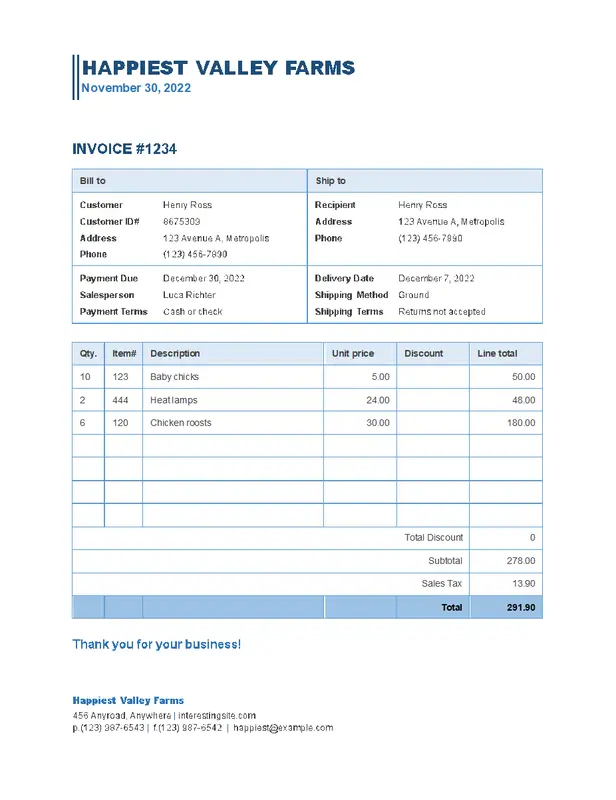
If you take on freelance clients during your job search, keep your work organized from the start. Track your projects, deliverables, and payments properly, even for small gigs, since this becomes useful both for managing your income and for showing real, structured work experience later. CV Studio’s invoice templates make it simple to send professional bills to clients without building a system from scratch.
Get Your Application Documents Right Before You Start Applying
Before you send out your next batch of applications, take an hour to actually review your CV and cover letter honestly. Ask yourself if a recruiter scanning it for thirty seconds would understand exactly what you can do and what you achieved during NYSC, school projects, or any prior work.
CV Studio’s resume templates are built specifically for entry-level and early-career applicants, with clean formatting that makes real experience easy to find at a glance. If your target roles ask for a cover letter, our cover letter templates follow the same professional structure so your full application looks consistent. And if you are struggling to describe your skills clearly, our guide on 200 resume skills and abilities examples gives you specific, ready-to-adapt phrasing across different categories.
If you would rather have your CV professionally written based on your actual NYSC and academic background, CV Studio’s resume writing service can put together a polished, ready-to-send document for you.
Final Checklist Before You Apply
- Have you set up job alerts on at least two active platforms, rather than checking manually
- Does your CV clearly describe real NYSC, internship, or project experience with specific detail
- Have you customized your cover letter for the specific role, not sent a generic version
- Do you understand the realistic salary range for your target sector, so you can negotiate confidently
- Are you tracking any freelance or side income properly, in case it becomes relevant experience later
- Have you followed up politely after interviews, rather than assuming silence means rejection
Landing your first job in Nigeria’s current market takes patience, but it is not random. Graduates who target their search, present their real experience clearly, and stay consistent with applications tend to land roles faster than those hoping a single strong week of applying will be enough. Treat the search itself like a project, and give it the same structure and follow-through you would give any serious task.

Brielle Kensington
Brielle Kensington is a career author and professional resume writer known for helping job seekers turn their experience into powerful personal stories. With a strong background in career development and modern hiring trends, she has helped hundreds of professionals craft resumes that stand out and get interviews.
Brielle specializes in writing clear, results-focused resumes, compelling cover letters, and LinkedIn profiles that attract recruiters. Her writing style is polished, strategic, and tailored to each client’s career goals. Through her books and career guides, she teaches simple but powerful strategies that help professionals confidently navigate today’s job market.
She believes every professional has a unique story, and the right words can open the right doors.