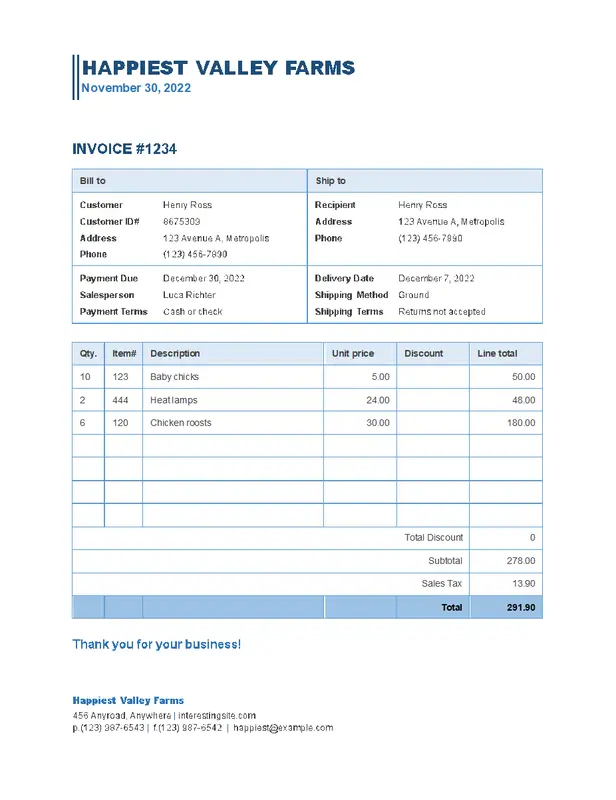
NSFAS 2027 applications are opening now. Here is exactly who qualifies, what documents you need, what changed this cycle, and how to apply step by step. NSFAS 2027 Application Guide: Dates, Requirements, and How to Apply If you are planning to study at a South African public university or TVET college in 2027, the National …
NSFAS 2027 applications are opening now. Here is exactly who qualifies, what documents you need, what changed this cycle, and how to apply step by step.
NSFAS 2027 Application Guide: Dates, Requirements, and How to Apply
If you are planning to study at a South African public university or TVET college in 2027, the National Student Financial Aid Scheme application window is the single most important date on your calendar right now. Based on the most recent guidance, NSFAS 2027 applications opened on September 1, 2026, and are expected to close on January 21, 2027, though NSFAS has a history of adjusting exact dates from one cycle to the next, so treat this as the best current estimate rather than a locked, unchangeable date until NSFAS itself confirms it on the official portal.
This guide covers exactly who qualifies, what documents you need ready, what has actually changed for the 2027 cycle, and how to complete your application without the common mistakes that get otherwise eligible students rejected.
When NSFAS 2027 Applications Open and Close
Multiple sources tracking NSFAS cycles point to an opening date of September 1, 2026, with a closing date around January 21, 2027. It is worth understanding why there is some variation in the exact dates you might see reported elsewhere. NSFAS has shifted its closing date earlier in each of the last two cycles compared to the year before, and the official announcement for the precise 2027 dates typically comes from the Minister of Higher Education and Training directly, through the Department of Higher Education and Training and the official NSFAS website.
Do not wait for a firm January deadline before applying, even if the portal technically remains open that long. NSFAS itself has advised students to submit well before any final deadline, since applying early gives you time to correct a rejected or flagged document, while a late submission close to the closing date leaves no room for a fix if something goes wrong. A reasonable personal target is to have your full application submitted by the end of November 2026, well ahead of any final cutoff, and well before January’s matric results release period, when the myNSFAS portal experiences its heaviest annual traffic.
Who Qualifies for NSFAS Funding
Eligibility for the 2027 cycle remains unchanged from the previous year in its core structure. You must be a South African citizen or permanent resident, and your combined household income must fall below R350,000 per year for standard university and TVET funding. If you are a student living with a disability, this income threshold is extended to R600,000 per year.
Students who already receive a SASSA grant qualify automatically for NSFAS funding without needing to pass a separate household income check, since their existing grant status already confirms financial need through a different government system.
NSFAS also runs a separate bursary route, commonly referred to as the missing middle bursary, administered through the Student Representative Council process inside the myNSFAS portal. This route raises the household income ceiling to R600,000 for households where at least one dependent is currently enrolled in tertiary study. This allocation is considerably smaller than the main NSFAS funding pool and tends to fill quickly, so if you fall into this income bracket specifically, applying as early as possible in the cycle matters even more than usual.
What Has Changed for the 2027 Cycle
A few genuine changes apply to this specific cycle, and missing any of them can hold up an otherwise strong application.
The N+2 rule now applies to TVET students, not only university students. This rule means you are funded for the standard minimum number of years your qualification requires, plus two additional years of allowance if needed. Previously this extended safety margin applied mainly to university students, and TVET students now receive the same structure.
First-time applicants must upload a new consent form authorizing NSFAS to verify your information directly with Home Affairs and the South African Revenue Service. Without this specific consent form completed and uploaded, your application will not be able to submit at all, regardless of how complete every other section is.
Continuing students do not need to submit a brand new application, since NSFAS auto-renews your funding decision from the previous year. However, you still need to confirm your registration and academic status inside the myNSFAS portal by February 28, 2027, since your actual payment remains dependent on your institution confirming this registration and academic standing.
Direct payment into a student’s own bank account is now the default method for receiving your allowances, replacing the third-party wallet card system that NSFAS has been phasing out. If you are a first-time applicant, make sure the banking details you provide during your application are accurate and belong to an account in your own name.
Documents You Need Before You Start
Gather these before opening the myNSFAS portal, so you can complete your application in one sitting rather than stopping partway through when the system asks for something you do not have ready.
A certified copy of your South African ID or birth certificate, certified within the timeframe NSFAS specifies as valid.
Your parents’ or guardians’ South African ID copies, also certified.
Proof of household income for all working members of your household, such as recent payslips, an affidavit of unemployment where relevant, or a SASSA confirmation letter if applicable.
Proof of study or admission, such as your acceptance letter from your intended university or TVET college, if you already have one at the time of applying.
Your own South African bank account details, in your own name, for direct disbursement of allowances.
Signed consent forms authorizing NSFAS to verify your information with Home Affairs and SARS, which is a required new step for first-time applicants this cycle.
Supporting documentation for a disability, if you are applying under the higher R600,000 income threshold.
Having every document ready and correctly certified before you start significantly reduces your chances of your application being flagged for correction later in the process.
How to Apply Step by Step
Go to the official NSFAS website at nsfas.org.za, and do not rely on unofficial links, WhatsApp forwards, or unverified social media posts claiming to offer a faster or alternative application route. NSFAS has repeatedly warned that applications are only valid through the official myNSFAS portal.
Create your myNSFAS account if you are a first-time applicant, using a valid email address and phone number you check regularly, since these are how NSFAS will contact you about your application status.
Complete your personal information section, including your ID number, contact details, and household information.
Upload each required document to its correct corresponding section, making sure scans are clear, complete, and show the full document rather than a cropped or blurry image.
Complete and upload the new consent form authorizing Home Affairs and SARS verification. This step is mandatory for the 2027 cycle, and a missing consent form will prevent your submission from going through.
Enter your banking details accurately, in your own name, since this is where your allowances will be paid directly under the current default payment model.
Review your full application carefully before submitting, since NSFAS processes applications largely based on the information you provide, and errors caught before submission are far easier to fix than errors discovered after the fact.
Once submitted, you will receive a confirmation, and you can track your application status directly through your myNSFAS account at any point afterward.
Common Mistakes That Delay or Reject Applications
Submitting a document that is not properly certified, or that has expired certification, since NSFAS typically requires certification within a specific recent timeframe.
Leaving out the new consent form entirely, which prevents the application from submitting at all for first-time applicants this cycle.
Using a bank account that does not belong to the student directly, which can cause delays once disbursement begins under the direct payment model.
Waiting until January to apply, when the portal experiences its heaviest traffic of the year due to overlapping matric results release, leaving little room to correct any issues before the final deadline.
Assuming continuing student status means no action is needed at all. While a new application is not required, failing to confirm registration and academic status by the February 28, 2027 deadline can still interrupt your funding.
Relying on unofficial websites or social media pages claiming to process NSFAS applications faster or guarantee approval. NSFAS applications are free, and no legitimate third party can guarantee an outcome or speed up processing for a fee.
What Happens After You Submit
Once submitted, NSFAS reviews your application against its eligibility criteria, verifies your details against Home Affairs and SARS records where relevant, and confirms your funding status once your chosen institution confirms your registration for the 2027 academic year. Funding decisions and disbursements are tied closely to this institutional confirmation, which means your allowance will not begin until your university or TVET college has formally registered you for the year.
Keep checking your myNSFAS account status regularly during this period, and respond promptly to any request for additional information or corrected documents, since a slow response to a flagged issue is one of the most common reasons an otherwise eligible application stalls.
Looking Beyond Funding: Preparing for What Comes Next
Securing your NSFAS funding is a major step, but it is also worth using this period to start thinking about the years ahead, particularly if you are entering your final year of study or approaching graduation. Many students wait until they are already job hunting to think seriously about their CV, when in fact the certificates, projects, and skills you build over your funded years of study form the foundation of a strong first professional profile. If you are getting close to needing your first CV, a set of resume templates gives you a clean, professional starting structure, and a detailed reference like 200 resume skills and abilities examples can help you describe your academic and extracurricular experience with the kind of specific, concrete language that actually stands out to an employer.
Frequently Asked Questions
When exactly do NSFAS 2027 applications close? The most recent guidance points to January 21, 2027, though NSFAS has moved its closing date earlier in each of the last two cycles, so this should be treated as an estimate until officially confirmed. Applying well before any deadline, ideally by the end of November 2026, is the safer approach regardless of the final confirmed date.
Do I need to reapply if I already received NSFAS funding this year? No. NSFAS automatically renews your funding decision for continuing students. You do, however, need to confirm your registration and academic status inside the myNSFAS portal by February 28, 2027, since your actual disbursement depends on this confirmation.
What is the household income limit to qualify for NSFAS? R350,000 per year for standard funding, and R600,000 per year for students living with a disability. The missing middle bursary route, applied through the SRC process inside the myNSFAS portal, also uses the R600,000 threshold but has a smaller funding pool.
What is the new consent form first-time applicants need to submit? It authorizes NSFAS to verify your personal information directly with Home Affairs and the South African Revenue Service. Without completing and uploading this form, a first-time application cannot be submitted for the 2027 cycle.
Is the TVET N+2 funding extension new for 2027? Yes. Previously the N+2 rule, which funds your minimum qualification years plus two additional years if needed, applied mainly to university students. It now extends to TVET students as well.
How will I receive my NSFAS allowance? Direct payment into your own South African bank account is now the default method, replacing the previous third-party wallet card system that NSFAS has been phasing out.